
Internet in France

Prepaid SIM Cards & eSIMs for Tourists
Securing a local France tourist SIM card is highly recommended for seamless connectivity during your travels, offering a cost-effective alternative to international roaming. A prepaid tourist SIM card, typically providing 10-20GB of data, generally costs between €10 and €30 and remains valid for 14-30 days when purchased from major French operators like Orange, SFR, or Bouygues Telecom.
For optimal value and activation support, travelers should purchase a local prepaid SIM card, such as the popular Orange Holiday SIM available at boutique.orange.fr/mobile/carte-prepayee-orange-holiday, Lebara, or Lycamobile, directly from an official operator store in a city rather than at the airport, where prices can be inflated and assistance limited. eSIMs also present a convenient option for compatible devices, with providers like Airalo (airalo.com) and Holafly (holafly.com) offering various data packages tailored for international visitors.
These digital SIMs eliminate the need for physical card swaps and can be activated remotely, providing instant internet access upon arrival. Whether choosing a physical France tourist SIM card or an eSIM, having dedicated mobile data ensures constant access to navigation, translation, and communication tools throughout your French adventure.

Mobile Network Coverage & Speed in France
France boasts an impressive mobile network infrastructure, ensuring reliable connectivity for travelers across the country. Major operators Orange, SFR, and Bouygues Telecom collectively provide 4G coverage to over 95% of the French population, with Orange consistently recognized for its superior speed and reliability across various regions.
By late 2023, 5G network coverage in France had expanded significantly, reaching approximately 75% of the population. This high-speed connectivity is predominantly concentrated in major urban centers like Paris, Lyon, and Marseille, as well as along key transport routes, offering ultra-fast internet for those with compatible devices.
While urban areas and main roads offer robust service, visitors venturing into more rural or mountainous regions should anticipate potentially spottier coverage. It is a prudent insider tip to download offline maps from services like Google Maps or Maps.me and essential translation apps before arriving, ensuring navigation and communication remain accessible even in areas with limited or no internet access.
Free Wi-Fi Options Across France
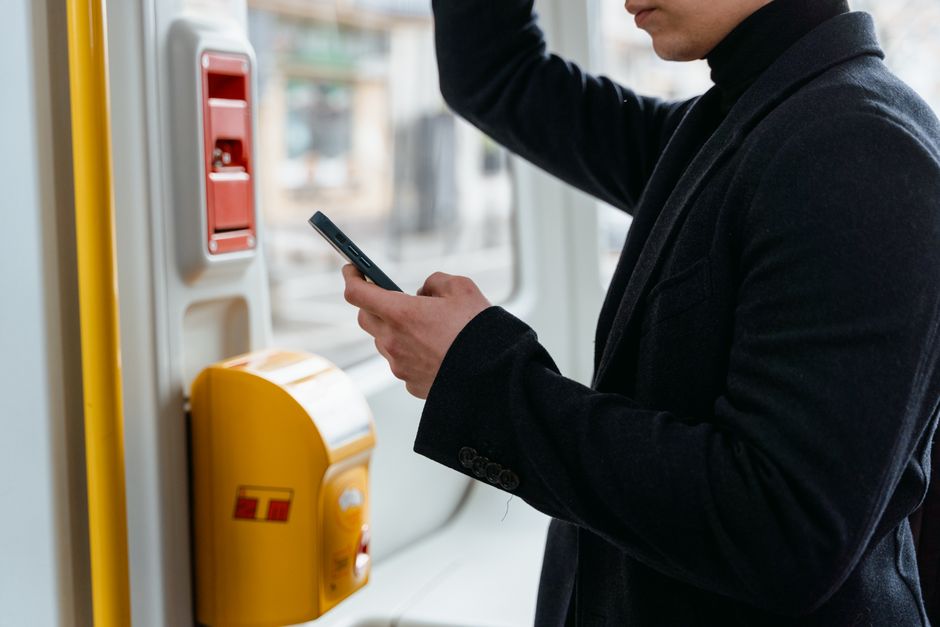
Accessing free Wi-Fi is a convenient way to stay connected in France, particularly in urban environments. Paris, for instance, offers extensive free public Wi-Fi through its ‘Paris Wi-Fi’ network, available in over 400 locations including parks, libraries, and public squares, easily identifiable by the ‘PARIS_WI-FI_GRATUIT’ SSID.
Beyond Paris, many hotels, cafes, restaurants, and shopping centers across France provide complimentary Wi-Fi to their patrons, often requiring a simple login or password. While these options are widely available, the speed and reliability can vary significantly.
For critical tasks or when exploring less populated areas, relying solely on free Wi-Fi might prove challenging. Therefore, complementing these free options with a dedicated France tourist SIM card or eSIM ensures consistent and reliable internet access for all your travel needs.
Roaming, Data Usage & Security Tips
Travelers from EU/EEA countries benefit from ‘Roam Like At Home’ regulations, meaning data used in France on an EU SIM card is charged at domestic rates without additional roaming fees. However, this advantageous policy does not apply to non-EU SIM cards, making a local France tourist SIM card a far more economical choice for international visitors.
When utilizing public Wi-Fi hotspots, exercising caution is paramount to protect personal data. Always connect to secure Wi-Fi networks, typically indicated by WPA2 or WPA3 encryption, to minimize security risks. Furthermore, consider employing a Virtual Private Network (VPN) when accessing public Wi-Fi to encrypt your internet traffic and safeguard sensitive information from potential interception.
Monitoring data usage is also crucial, especially with prepaid plans. Most operators offer apps or SMS services to track remaining data, helping you avoid unexpected top-ups. For extended stays or heavy data users, consider plans with larger data allowances to ensure uninterrupted connectivity throughout your French journey.